
 +61 410 152 276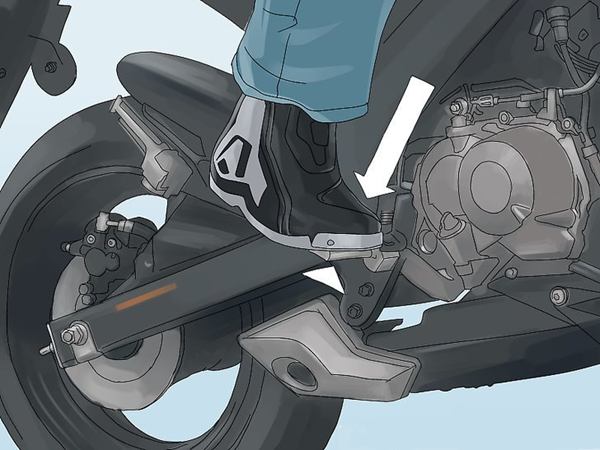
Back Brakes Are There for a Reason — Use Them
The motorcycle rear brake is often misunderstood and misused, but when applied correctly it offers clear advantages. From adding stability at low speeds to controlling speed mid-corner, the rear brake can be one of the most valuable tools in your riding skillset.
Every rider approaches the rear brake differently. Some find the pedal easy to modulate, while others avoid it altogether. Neither is wrong — there are situations where the rear brake can be less effective, and others where it provides exactly the control you need. Riders coming from car driving often press the rear brake too suddenly, causing a lock-up and skid. This is one of the reasons some instructors discourage its use, and why racers may even remove the rear brake completely to save weight.
But on the road, the rear brake has many benefits.
Using the Rear Brake in Corners
When tackling corners or twisty roads, the rear brake can be an excellent tool. If you approach a corner too fast or in the wrong gear, rolling off the throttle and grabbing the front brake shifts too much weight forward, upsetting the balance and risking a loss of traction. Instead, holding the throttle steady and applying gentle rear brake can:
- Scrub off speed without upsetting the bike’s balance.
- Tighten your line smoothly.
- Prevent the front from diving, which helps reduce the risk of a slide.
In short, the rear brake provides stability and predictability when the front brake could create instability.
Rear Brake in Street Riding
On city streets, less braking force is usually needed. This means there’s more weight left on the rear wheel, which increases rear braking traction. Used correctly, the rear brake makes for smoother stops and greater control in traffic.
Practise to Build Confidence
As with all motorcycle skills, the key is practice. Spend time in a safe environment to learn how your rear brake behaves and how it works with the front. Then gradually apply these lessons to real-world riding.
At BikeSAFE Motorcycle Training Joondalup, we teach learners to remember braking in two simple words: Slow and Fast.
- Slow = Rear brake. Use it when riding slowly or when you want to stabilise the bike.
- Fast = Front brake. Use it to slow down quickly or stop in an emergency — but always ensure the bike is upright and the handlebars are straight before applying.