
 +61 410 152 276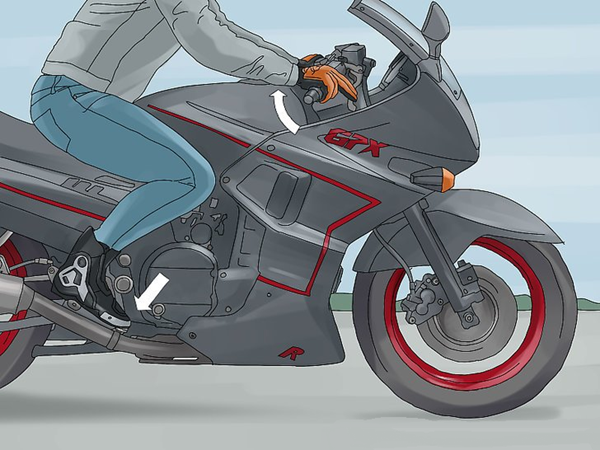
Mastering Motorcycle Braking Techniques for Safer Riding
Braking is one of the most important skills a motorcyclist can master. Whether you’re navigating traffic in Perth or riding on open roads, understanding how to use your front brake, rear brake, and advanced techniques like trail braking can make the difference between a safe stop and a dangerous situation. This guide explores essential motorcycle braking techniques every rider should know, including emergency braking, to help you ride more safely and confidently.
Using the Front Brake
The front brake provides the majority of your stopping power — up to 70–80% in most situations.
- Squeezing the front brake smoothly transfers weight forward, compressing the suspension.
- This increases traction on the front tyre, allowing for stronger braking.
- Avoid grabbing the brake suddenly — progressive pressure prevents skids and keeps the bike stable.
Using the Rear Brake
The rear brake plays a smaller but important role.
- At low speeds, dragging the rear brake adds stability and reduces wobble, especially in U-turns or tight manoeuvres.
- At higher speeds, the rear brake can help settle the bike but provides much less stopping force.
- Overuse risks locking the rear wheel, causing it to slide sideways.
Combined Braking
For most riding situations, using both brakes together is the safest and most effective method.
- Begin with both brakes applied smoothly.
- As weight transfers forward, progressively increase front brake pressure while easing off the rear slightly.
- This keeps the bike balanced and shortens stopping distance.
Trail Braking: A Brief Explanation
Trail braking is a technique most commonly associated with the front brake:
- The rider applies the front brake before entering a corner, then gradually eases it off (“trails” it) as they lean into the turn.
- This keeps the front suspension compressed, giving the tyre more grip and improving stability through the corner.
Where the rear brake comes in:
- Some advanced riders use a light touch of the rear brake mid-corner to tighten their line or settle the bike.
- This isn’t trail braking in the formal sense, but a different technique often called rear brake modulation.
Emergency Braking
In an emergency, maximum stopping power is needed without losing control.
- Apply both brakes firmly but progressively — never grab or stomp suddenly.
- Keep the bike upright and look straight ahead.
- Practise emergency stops in a safe environment to build muscle memory.
Final Thoughts
Mastering motorcycle braking techniques is essential for rider safety. Practise each method in a controlled environment before applying it on the road. By learning how to balance front and rear brakes, using trail braking effectively, and preparing for emergencies, you’ll become a more confident and safer rider.