
 +61 410 152 276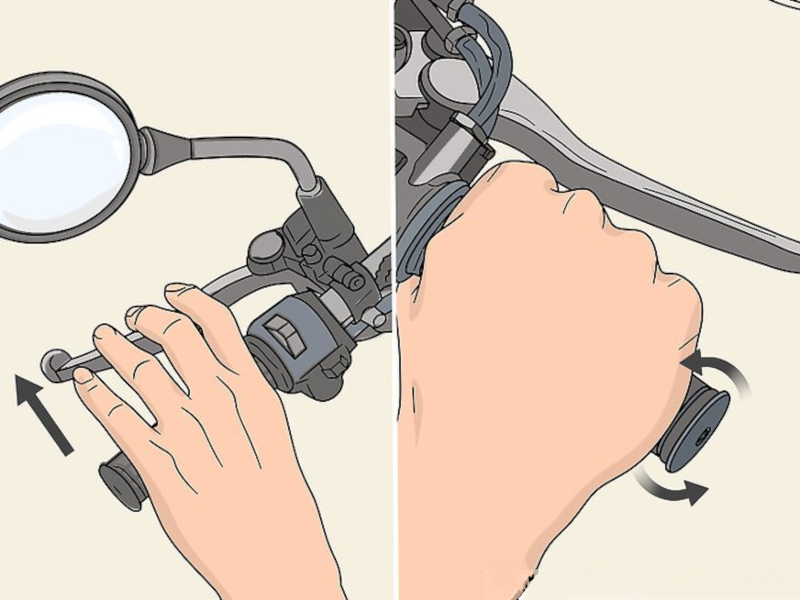
Mastering Clutch Control on a Motorcycle
Clutch control is one of the most important skills new riders must learn. Smooth clutch use means confident starts, fewer stalls, and more control at low speeds. At BikeSAFE Motorcycle Training Perth, we teach clutch control with a method that focuses on four fingertips and controlled revs — a technique that gives beginners maximum sensitivity and confidence right from the start.
What the Motorcycle Clutch Does
The clutch manages how power from the engine reaches the rear wheel. Pulling the lever in disconnects engine power so you can change gears or stop without stalling. As you release the lever, the clutch plates reconnect, sending power back to the wheel. The key skill is finding the “friction zone” — the point where the clutch just begins to bite and the motorcycle starts to move.
Hand and Finger Position: Four Fingertips
We don’t teach the two-finger method or a wrapped grip around the bar. Both of these can cause tension and the dreaded “death grip.” Instead, we recommend using all four fingertips:
- Rest all four fingertips gently on the clutch lever.
- Pull the lever in smoothly, keeping your wrist straight and relaxed.
- When releasing, relax your fingers so the clutch spring pushes them back out — this gives a smoother, more natural release than forcing the lever out.
- Stay loose: clutch control is about feel, not force.
This fingertip method provides sensitivity and prevents fatigue, giving learners much finer control over the friction zone.
Adding Revs for Smooth Take-Offs
The clutch can’t do all the work on its own — the engine needs a little help. Before you release the clutch:
- Apply gentle throttle to raise the revs to about twice idle speed (usually 1,500–2,000 RPM on most learner bikes).
- Ease the clutch out slowly until the bike starts to roll forward.
- Balance clutch release with throttle, letting the engine deliver steady power to the rear wheel.
This is the secret to smooth, controlled pull-aways without stalls or jerks.
Finding the Friction Zone
- Start in first gear with the clutch fully pulled in.
- Add a little throttle (around 2x idle).
- Release the clutch slowly until you feel the bike want to creep forward.
- Hold that point — this is the friction zone.
- Practise balancing the bike in this zone with light rear brake if needed.
The more you practise, the easier it becomes to “feel” the exact point of engagement.
Low-Speed Control with Clutch and Brake
At walking pace — in car parks, U-turns, or tight manoeuvres — clutch control is your best tool.
- Stay in the friction zone.
- Keep steady revs slightly above idle.
- Control your speed using the rear brake while maintaining clutch and throttle balance.
This technique creates stability, reduces stalls, and makes low-speed manoeuvres much smoother.
Common Mistakes to Avoid
- Wrapping your hand around the bar and lever tightly → leads to stiffness and jerky releases.
- Dumping the clutch (releasing too quickly) → causes stalls or sudden lurches.
- Not adding throttle → leaves the bike underpowered and likely to stall.
- Riding half in, half out of the friction zone at speed → overheats the clutch and wears it out prematurely.
Why Proper Clutch Control Matters
Good clutch habits are the foundation of safe riding. With smooth clutch release and proper revs, learners gain confidence quickly and avoid the frustration of repeated stalls. Whether navigating Perth traffic, starting on a hill, or preparing for the Practical Riding Assessment, clutch control is the difference between struggling and riding with confidence.
At BikeSAFE, we make sure every rider develops these habits early so they can enjoy safer, smoother rides on the road.