
 +61 410 152 276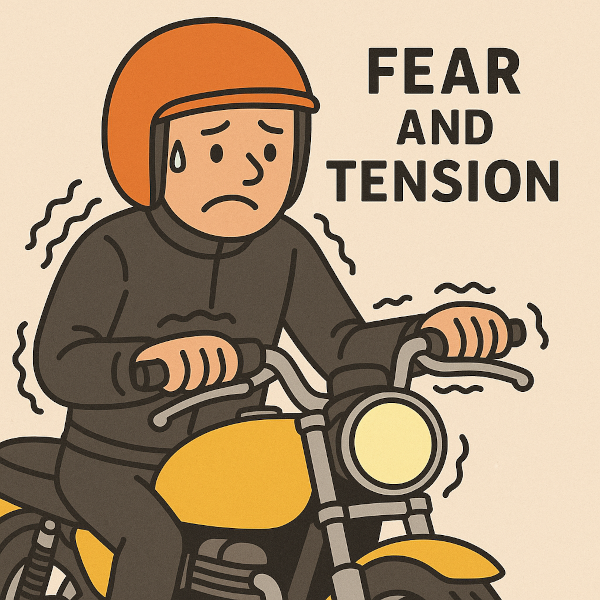
Motorcycle Instincts and Fear Responses: How They Affect Your Grip and Muscle Control
Learning to ride a motorcycle isn’t only about mechanics — it’s also about training your instincts and overcoming natural fear responses. When new riders feel anxious, their bodies often react in ways that reduce control: gripping too tightly, locking arms, or tensing muscles. At BikeSAFE Motorcycle Training Perth, we focus not only on physical skills but also on calming the mind and body so that riders develop confidence and smoother control.
How Instincts Influence Riding
Your body has built-in reflexes designed for survival — but not all of them help when you’re on two wheels.
- Fight-or-flight response: In a stressful moment, adrenaline kicks in. This often results in stiff arms, tight grip, and jerky inputs.
- Startle reflex: Sudden noises or unexpected movement can cause riders to grab the bars or brakes too sharply.
- Balance reflexes: On a bicycle, riders instinctively turn the bars where they want to go. On a motorcycle at speed, this instinct must be retrained into countersteering.
These instincts aren’t “wrong” — they just need to be retrained for the motorcycle environment.
The Grip Problem: Fear in the Hands
Many learners fall into the trap of the “death grip”:
- Holding the handlebars too tightly.
- Locking the elbows and shoulders.
- Using muscle strength instead of fingertip finesse.
This tightness reduces feel for the controls, increases fatigue, and makes steering clumsy. A relaxed grip, bent elbows, and light fingertip control allow the bike to move naturally beneath you.
Muscle Tension and Riding Errors
When riders feel nervous, their muscles tighten. Common results include:
- Jerky throttle control from stiff wrist movement.
- Poor clutch release from squeezing instead of relaxing the fingertips.
- Over-braking due to grabbing instead of applying progressive pressure.
By recognising how tension affects your body, you can consciously relax and improve control.
Overcoming Fear with Training
The key is to replace instinctive reactions with trained responses:
- Practise relaxed breathing before and during rides.
- Focus on soft hands — let the handlebars “float” under your grip.
- Train countersteering at safe speeds until it becomes second nature.
- Use progressive practice: start in quiet areas, then move gradually into more challenging traffic.
With experience, the brain rewires itself: fear responses lessen, and muscle memory takes over.
Why This Matters
Motorcycling is as much mental as it is physical. Fear and instinctive tension can make a rider less safe, not more. By training calmness, proper grip, and relaxed muscle use, you ride smoother, safer, and with far more confidence.
At BikeSAFE, we help riders recognise and overcome these instincts so that fear doesn’t control the ride.