
 +61 410 152 276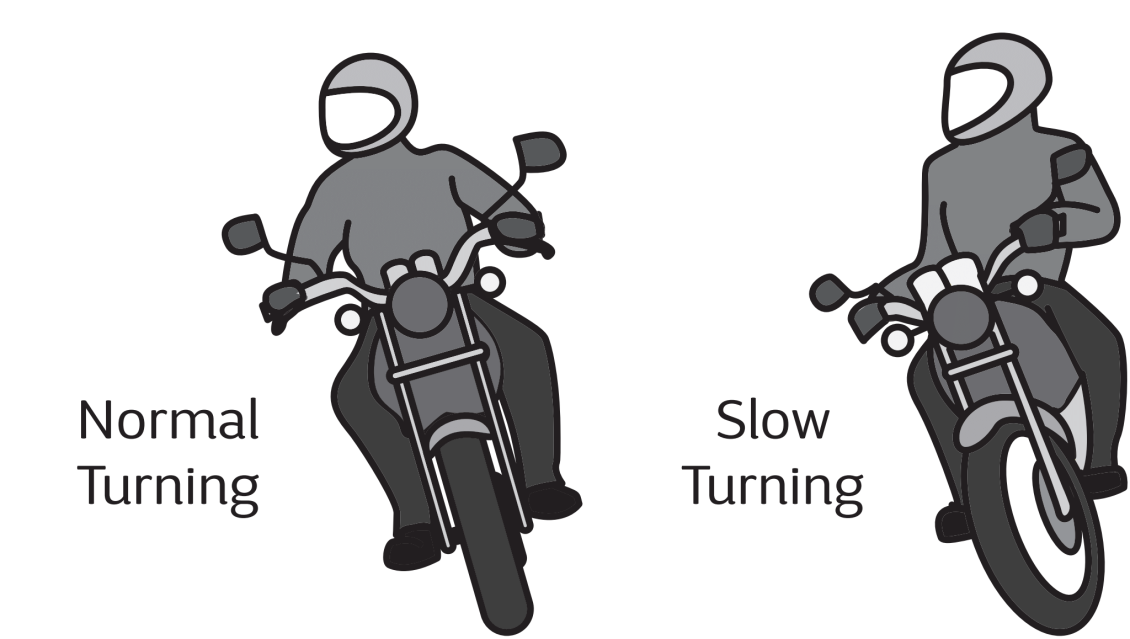
Turning vs Cornering: Essential Motorcycle Riding Skills Explained
Learning how to handle your motorcycle at different speeds is a core skill for every rider. While both turning and cornering involve changing direction, the techniques are very different depending on your speed. Mastering both will not only improve your control but also make your rides safer and more enjoyable. In many instances, the rear and/or front brake may be used to affect a stable, smooth and safe turn or corner.
🔄 Turning: At Low Speeds
At walking pace or in a car park, the rear brake is your best friend.
- Using gentle pressure on the rear brake helps stabilize the motorcycle while turning tightly.
- It lowers the bike’s centre of gravity, reducing wobble and making the steering smoother.
- Combined with a little throttle and clutch control (“slow race” technique), it allows you to crawl at very low speeds without tipping over.
- Using the front brake at this speed can cause the bike to dive or tip, which is why the rear brake is the preferred tool.
👉 This is why instructors often teach riders to “drag the rear brake” during slow-speed manoeuvres like U-turns or cone weaves.
🏍️ Cornering: Leaning Through Curves at Speed
Once you’re leaned into a corner at speed, the role of the rear brake changes.
- Light rear brake input can help settle the suspension and tighten your line slightly if you’re running wide.
- It gives you finer control than the front brake, which can upset the bike if applied mid-corner.
- Hard rear brake use mid-corner is dangerous — it risks locking the rear wheel, causing a skid or slide.
- Ideally, most braking should be done before entering the corner, using both front and rear brakes smoothly.
👉 Advanced riders sometimes use the rear brake subtly in corners (“trail braking”), but this requires skill and practice. For beginners, focus on completing braking before leaning.
Trail Braking : a brief explanation
Trail braking, as it’s usually taught and understood, refers specifically to the front brake:
- The rider applies the front brake before the corner, then eases it off gradually (“trails” it) as they lean into the turn.
- The purpose: keep the front suspension compressed, give the front tyre more grip, and shift weight forward to help the tyre bite into the road.
- Done properly, it allows a smoother transition from braking to cornering and keeps the bike more stable.
Where the rear brake sometimes comes in is in a related but less common technique:
- Some advanced riders use a light touch of the rear brake mid-corner to tighten their line.
- This isn’t “trail braking” in the formal sense, but a different skill entirely (sometimes called “rear brake modulation”).
Conclusion
Understanding the difference between turning and cornering is one of the first steps to becoming a confident, safe motorcyclist. Low-speed turns build balance and control, while proper cornering techniques help you navigate curves with precision at speed. By practising both, you’ll improve your riding skills, reduce risks, and make every ride more enjoyable.
If you’re new to riding or want to sharpen your skills, structured motorcycle lessons in Perth with experienced instructors can help you master these techniques faster and safer.